
Glacier Diesel Power Fuel Boss Hyper Drive Upgrade | 1998.5–2002 Dodge Ram 5.9L Cummins (HD-98502)
Description
Increase the fuel-delivery capacity of your existing Fuel Boss system with the Glacier Diesel Power Hyper Drive Upgrade for 1998.5–2002 Dodge Ram 5.9L Cummins trucks.
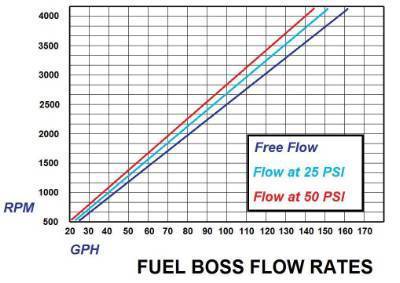
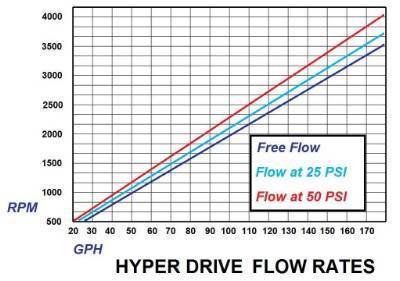
Designed specifically for second-generation Dodge Ram trucks already equipped with a Glacier Diesel Power Fuel Boss mechanical lift pump system, the Hyper Drive changes the pump drive ratio to increase Fuel Boss pump speed and output by approximately 20% throughout the operating range.
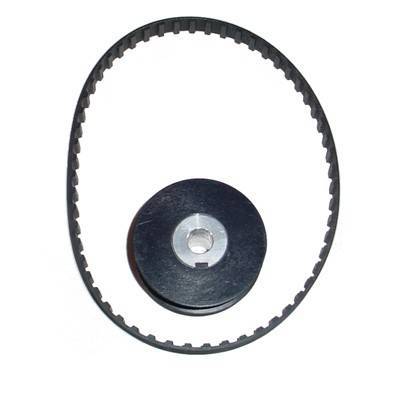
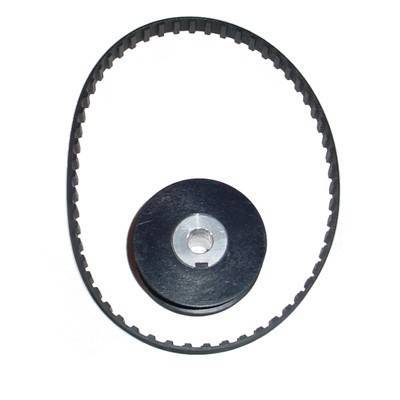
The upgrade includes a high-strength 20-tooth polycarbonate pump pulley and a matching fiberglass-reinforced drive belt. These components replace the standard Fuel Boss pump pulley and belt while retaining the existing pump, mounting bracket, crankshaft pulley, plumbing, and filtration system.
This is an excellent upgrade for VP44-equipped trucks with increased fuel demand from larger injectors, aggressive tuning, heavy towing, competition use, or other modifications that may push the standard-drive Fuel Boss configuration closer to its available capacity.
Features
- Designed for 1998.5–2002 Dodge Ram 5.9L Cummins trucks
- Fits compatible second-generation Fuel Boss systems
- Increases Fuel Boss pump speed by approximately 20%
- Increases available pump output by approximately 20%
- Maintains engine-speed-responsive mechanical fuel delivery
- Includes a high-strength 20-tooth polycarbonate pump pulley
- Includes a matching fiberglass-reinforced drive belt
- Retains the existing Fuel Boss pump and mounting system
- Requires no additional wiring, relay, controller, or electric motor
- Genuine Glacier Diesel Power replacement components
- SKU: HD-98502
What Does the Hyper Drive Upgrade Do?
The Fuel Boss mechanical lift pump is driven from the engine through a crankshaft pulley, toothed belt, and pump pulley. The size relationship between the crankshaft and pump pulleys determines how quickly the pump rotates relative to engine speed.
The Hyper Drive uses a smaller 20-tooth pump pulley and a matching belt to increase pump RPM.
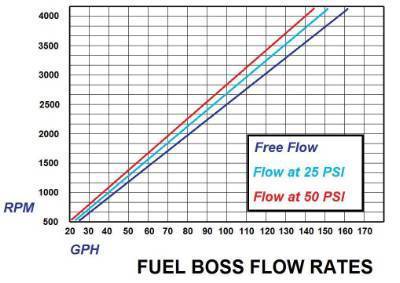
Because the Fuel Boss uses a positive-displacement gear pump, fuel output is directly related to pump speed. Increasing the pump's rotational speed allows it to move more fuel during the same amount of time.
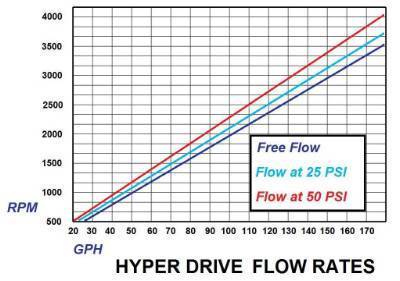
The Hyper Drive increases pump speed and available output by approximately 20% across the board.
The system continues to operate proportionally with engine RPM:
- Conservative pump speed at idle
- Increased pump speed as engine RPM rises
- Greater fuel delivery during acceleration
- Additional capacity under sustained load
- Maximum available output at higher engine speeds
The Hyper Drive does not convert the Fuel Boss into a constant-speed system. It preserves the Fuel Boss operating principle while increasing the amount of fuel available throughout the engine's operating range.
Why Would a VP44 Truck Need More Fuel Boss Output?
The standard Fuel Boss drive system is capable of supporting many stock, towing, and modified applications. However, engine fuel demand increases as the truck's fueling system is modified.
The Hyper Drive may be appropriate for trucks equipped with:
- Larger performance injectors
- Aggressive fueling boxes or tuning
- Increased injection duration
- Modified VP44 injection pumps
- Larger turbocharger combinations
- Competition-oriented fuel systems
- High-horsepower street setups
- Trucks experiencing verified fuel-pressure loss under load
The goal of this upgrade is not simply to produce the highest possible fuel pressure. Its purpose is to increase the mechanical pump's available volume so the system can better maintain the required fuel supply as engine demand rises.
Why Fuel Supply Matters to the VP44
The VP44 injection pump depends on the lift-pump system for a dependable supply of fuel.
Fuel entering the VP44 supports injection-pump operation while also assisting with internal lubrication and heat removal. When supply pressure or volume falls excessively under load, the injection pump may not receive the fuel supply it requires.
That is why a fuel-pressure reading at idle does not tell the entire story.
A truck can show acceptable pressure while parked but lose pressure during:
- Hard acceleration
- Wide-open throttle
- Higher engine RPM
- Sustained towing grades
- Heavy fueling commands
- Competition use
The Hyper Drive provides additional available pump capacity for Fuel Boss-equipped trucks whose engine combinations require more fuel than the standard drive configuration can comfortably supply.
Glacier Tech Tip
Do not install the Hyper Drive simply because the truck is modified.
First, test fuel pressure under the same operating conditions where the concern occurs. A pressure drop does not automatically mean the Fuel Boss needs to spin faster.
Before changing the drive ratio, inspect the system for:
- A restricted fuel filter
- A contaminated water separator
- An undersized or restrictive tank pickup
- Collapsing supply hose
- Excessively small fittings
- Air intrusion on the suction side
- Loose hose connections
- A damaged check valve
- Belt slippage
- Incorrect belt tension
- Pulley misalignment
The Hyper Drive increases available pump output, but it cannot correct a plugged filter, air leak, restricted pickup, or improperly installed drive system.
Standard Drive vs. Hyper Drive
Standard Fuel Boss Drive
The standard drive arrangement operates the Fuel Boss pump at a conservative ratio intended to balance fuel delivery with long-term component life.
It is generally the correct choice for:
- Stock trucks
- Daily drivers
- Towing vehicles
- Mildly modified engines
- Trucks already maintaining stable fuel pressure under load
Hyper Drive Upgrade
The Hyper Drive changes the pump pulley and belt combination to increase pump speed and output by approximately 20%.
It is intended for applications with additional fuel demand that has been confirmed through proper pressure testing and system inspection.
More pump speed is not automatically better for every truck. The correct configuration is the one that provides adequate fuel pressure and volume for the actual engine combination.
How the Drive Ratio Increases Fuel Output
The Hyper Drive does not modify the internal design of the Fuel Boss pump. It changes how quickly the existing pump rotates.
The process is straightforward:
- The crankshaft rotates the Fuel Boss drive belt.
- The belt turns the smaller 20-tooth Hyper Drive pump pulley.
- The smaller pulley rotates faster than the standard pulley at the same engine RPM.
- The Fuel Boss gear pump completes more revolutions per minute.
- More fuel is displaced during the same period.
- Available fuel volume increases throughout the operating range.
This allows customers to increase Fuel Boss capacity without replacing the complete pump, bracket, plumbing, or filtration system.
What Is Included?
The Hyper Drive upgrade includes:
- High-strength 20-tooth polycarbonate Fuel Boss pump pulley
- Matching fiberglass-reinforced Fuel Boss drive belt
What Is Not Included?
This is an upgrade for an existing compatible Fuel Boss system. It does not include:
- Fuel Boss mechanical pump
- Pump mounting bracket
- Crankshaft drive pulley
- Fuel filters
- Filter bases
- Fuel hose
- Tank pickup
- Check valve
- Fuel fittings
- Pressure gauge
- Complete Fuel Boss installation hardware
Customers who do not already have a compatible Fuel Boss system will need the correct complete system or base kit rather than this upgrade alone.
Applications and Fitment
Designed for compatible Fuel Boss-equipped trucks including:
- 1998.5 Dodge Ram 2500 5.9L Cummins
- 1998.5 Dodge Ram 3500 5.9L Cummins
- 1999 Dodge Ram 2500/3500 5.9L Cummins
- 2000 Dodge Ram 2500/3500 5.9L Cummins
- 2001 Dodge Ram 2500/3500 5.9L Cummins
- 2002 Dodge Ram 2500/3500 5.9L Cummins
The truck must already be equipped with the applicable Glacier Diesel Power Fuel Boss mechanical lift pump system.
Important Compatibility Warning
Glacier Diesel Power Fuel Boss replacement belts and Hyper Drive components are not compatible with RASP or MITUSA mechanical fuel-pump systems.
Although these systems may appear similar, differences may exist in:
- Pulley dimensions
- Tooth profile
- Belt length
- Belt width
- Mounting position
- Pulley alignment
- Drive geometry
Use this upgrade only with the correct Glacier Diesel Power Fuel Boss application.
Installation Notes
Before installing the Hyper Drive upgrade:
- Confirm that the truck has the correct second-generation Fuel Boss system.
- Inspect the Fuel Boss pump shaft and pulley mounting area.
- Inspect the crankshaft drive pulley for wear or damage.
- Verify that both pulleys are properly aligned.
- Confirm that the belt path is free from interference.
- Set belt tension according to Glacier installation procedures.
- Verify that the belt tracks correctly on both pulleys.
- Reinspect belt tension and tracking after the first operating cycle.
Do not overtighten the belt. Excessive tension can place unnecessary radial load on the pump shaft and drive components.
A belt that is too loose may:
- Slip under load
- Wear prematurely
- Reduce pump speed
- Produce inconsistent fuel pressure
- Walk off the pulley
Correct alignment and tension are essential to dependable Fuel Boss operation.
Fuel System Tech Tip
Fuel pressure should be tested under load, not only at idle.
A useful diagnostic procedure should include pressure readings during:
- Warm idle
- Normal cruise
- Moderate acceleration
- Wide-open throttle
- Sustained uphill towing, when applicable
- The engine-speed range where the problem occurs
This helps determine whether the system is experiencing a true capacity limitation or a separate restriction.
A higher-output pulley should be installed only after verifying that the rest of the supply system can support the additional pump demand.
Supporting Components Matter
Increasing pump speed may also increase suction demand ahead of the pump. The entire fuel path should therefore be evaluated as one system.
Inspect the following components:
Tank Pickup
An undersized or obstructed pickup can restrict fuel before it reaches the pump.
Supply Hose
Aged, soft, kinked, or undersized hose may collapse or create excessive restriction.
Fuel Filters
A restricted filter may produce acceptable pressure at idle but cause pressure loss as fuel demand increases.
Fittings and Adapters
Small internal passages, unnecessary reducers, and restrictive elbows can limit flow.
Air Leaks
A mechanical lift pump may pull air through a loose fitting or deteriorated hose without creating an obvious external fuel leak.
The Hyper Drive can only deliver additional fuel when the system ahead of the pump can supply it.
Common Diagnostic Problems
Fuel Pressure Still Drops After Installation
Inspect the filter, tank pickup, hose size, fittings, and suction-side connections. Additional pump speed cannot overcome every restriction.
Belt Dust or Premature Belt Wear
Verify pulley alignment and belt tension. Also inspect both pulleys for damage or contamination.
Belt Walks Toward One Edge
The pump pulley and crankshaft pulley may not be operating in the same plane.
Pressure Is Excessively High
Inspect the pressure-regulation and return portions of the fuel system. Excessive pressure may indicate a return restriction or incorrect system configuration.
Unstable Pressure
Check for air intrusion, belt slippage, a restricted filter, or inconsistent pressure regulation.
Is the Hyper Drive Right for Your Truck?
The Hyper Drive is a good candidate when:
- The truck already has a compatible Glacier Fuel Boss system.
- The engine has increased fuel demand.
- Fuel pressure has been tested under load.
- The system loses pressure only when demand increases.
- Filters, plumbing, pickup, and fittings have been inspected.
- The belt drive is aligned and operating correctly.
- Additional pump volume is actually required.
The standard Fuel Boss drive may remain the better choice when the truck already maintains the proper fuel supply throughout its operating range.
Important Notes
- This is a pulley-and-belt upgrade, not a complete Fuel Boss system.
- Fits compatible 1998.5–2002 second-generation Fuel Boss installations.
- Includes a 20-tooth pump pulley and matching reinforced belt.
- Increases pump speed and output by approximately 20%.
- Not compatible with RASP or MITUSA pump systems.
- Inspect belt alignment and tension after installation.
- Verify fuel pressure under load before and after the upgrade.
- SKU: HD-98502.
Complete Your Fuel Boss System
Pair the Hyper Drive upgrade with genuine Glacier Diesel Power fuel-system components:
- FB-1000 Fuel Boss Replacement Mechanical Pump
- Fuel Boss 1 PSI Check Valve
- Fuel Boss Replacement Belts
- Fuel Boss Drive Components
- 7/16-Inch Flexible Tank Pickup Assembly
- Fuel Pressure Test Fittings
- Fuel Pressure Gauge Components
- Fuel Filter and Water Separator Replacements
- Fuel System Hose, Fittings, and Adapters
The Glacier Diesel Power Fuel Boss Hyper Drive Upgrade increases the capacity of an existing 1998.5–2002 Fuel Boss system without replacing the complete mechanical pump assembly. By changing the pump pulley and belt combination, the system increases pump speed and available fuel output by approximately 20% while retaining the Fuel Boss's dependable, engine-driven operation.
Glacier Diesel Power Fuel Boss Hyper Drive Upgrade | 1998.5–2002 Dodge Ram 5.9L Cummins (HD-98502)
Description
Increase the fuel-delivery capacity of your existing Fuel Boss system with the Glacier Diesel Power Hyper Drive Upgrade for 1998.5–2002 Dodge Ram 5.9L Cummins trucks.
Designed specifically for second-generation Dodge Ram trucks already equipped with a Glacier Diesel Power Fuel Boss mechanical lift pump system, the Hyper Drive changes the pump drive ratio to increase Fuel Boss pump speed and output by approximately 20% throughout the operating range.
The upgrade includes a high-strength 20-tooth polycarbonate pump pulley and a matching fiberglass-reinforced drive belt. These components replace the standard Fuel Boss pump pulley and belt while retaining the existing pump, mounting bracket, crankshaft pulley, plumbing, and filtration system.
This is an excellent upgrade for VP44-equipped trucks with increased fuel demand from larger injectors, aggressive tuning, heavy towing, competition use, or other modifications that may push the standard-drive Fuel Boss configuration closer to its available capacity.
Features
- Designed for 1998.5–2002 Dodge Ram 5.9L Cummins trucks
- Fits compatible second-generation Fuel Boss systems
- Increases Fuel Boss pump speed by approximately 20%
- Increases available pump output by approximately 20%
- Maintains engine-speed-responsive mechanical fuel delivery
- Includes a high-strength 20-tooth polycarbonate pump pulley
- Includes a matching fiberglass-reinforced drive belt
- Retains the existing Fuel Boss pump and mounting system
- Requires no additional wiring, relay, controller, or electric motor
- Genuine Glacier Diesel Power replacement components
- SKU: HD-98502
What Does the Hyper Drive Upgrade Do?
The Fuel Boss mechanical lift pump is driven from the engine through a crankshaft pulley, toothed belt, and pump pulley. The size relationship between the crankshaft and pump pulleys determines how quickly the pump rotates relative to engine speed.
The Hyper Drive uses a smaller 20-tooth pump pulley and a matching belt to increase pump RPM.
Because the Fuel Boss uses a positive-displacement gear pump, fuel output is directly related to pump speed. Increasing the pump's rotational speed allows it to move more fuel during the same amount of time.
The Hyper Drive increases pump speed and available output by approximately 20% across the board.
The system continues to operate proportionally with engine RPM:
- Conservative pump speed at idle
- Increased pump speed as engine RPM rises
- Greater fuel delivery during acceleration
- Additional capacity under sustained load
- Maximum available output at higher engine speeds
The Hyper Drive does not convert the Fuel Boss into a constant-speed system. It preserves the Fuel Boss operating principle while increasing the amount of fuel available throughout the engine's operating range.
Why Would a VP44 Truck Need More Fuel Boss Output?
The standard Fuel Boss drive system is capable of supporting many stock, towing, and modified applications. However, engine fuel demand increases as the truck's fueling system is modified.
The Hyper Drive may be appropriate for trucks equipped with:
- Larger performance injectors
- Aggressive fueling boxes or tuning
- Increased injection duration
- Modified VP44 injection pumps
- Larger turbocharger combinations
- Competition-oriented fuel systems
- High-horsepower street setups
- Trucks experiencing verified fuel-pressure loss under load
The goal of this upgrade is not simply to produce the highest possible fuel pressure. Its purpose is to increase the mechanical pump's available volume so the system can better maintain the required fuel supply as engine demand rises.
Why Fuel Supply Matters to the VP44
The VP44 injection pump depends on the lift-pump system for a dependable supply of fuel.
Fuel entering the VP44 supports injection-pump operation while also assisting with internal lubrication and heat removal. When supply pressure or volume falls excessively under load, the injection pump may not receive the fuel supply it requires.
That is why a fuel-pressure reading at idle does not tell the entire story.
A truck can show acceptable pressure while parked but lose pressure during:
- Hard acceleration
- Wide-open throttle
- Higher engine RPM
- Sustained towing grades
- Heavy fueling commands
- Competition use
The Hyper Drive provides additional available pump capacity for Fuel Boss-equipped trucks whose engine combinations require more fuel than the standard drive configuration can comfortably supply.
Glacier Tech Tip
Do not install the Hyper Drive simply because the truck is modified.
First, test fuel pressure under the same operating conditions where the concern occurs. A pressure drop does not automatically mean the Fuel Boss needs to spin faster.
Before changing the drive ratio, inspect the system for:
- A restricted fuel filter
- A contaminated water separator
- An undersized or restrictive tank pickup
- Collapsing supply hose
- Excessively small fittings
- Air intrusion on the suction side
- Loose hose connections
- A damaged check valve
- Belt slippage
- Incorrect belt tension
- Pulley misalignment
The Hyper Drive increases available pump output, but it cannot correct a plugged filter, air leak, restricted pickup, or improperly installed drive system.
Standard Drive vs. Hyper Drive
Standard Fuel Boss Drive
The standard drive arrangement operates the Fuel Boss pump at a conservative ratio intended to balance fuel delivery with long-term component life.
It is generally the correct choice for:
- Stock trucks
- Daily drivers
- Towing vehicles
- Mildly modified engines
- Trucks already maintaining stable fuel pressure under load
Hyper Drive Upgrade
The Hyper Drive changes the pump pulley and belt combination to increase pump speed and output by approximately 20%.
It is intended for applications with additional fuel demand that has been confirmed through proper pressure testing and system inspection.
More pump speed is not automatically better for every truck. The correct configuration is the one that provides adequate fuel pressure and volume for the actual engine combination.
How the Drive Ratio Increases Fuel Output
The Hyper Drive does not modify the internal design of the Fuel Boss pump. It changes how quickly the existing pump rotates.
The process is straightforward:
- The crankshaft rotates the Fuel Boss drive belt.
- The belt turns the smaller 20-tooth Hyper Drive pump pulley.
- The smaller pulley rotates faster than the standard pulley at the same engine RPM.
- The Fuel Boss gear pump completes more revolutions per minute.
- More fuel is displaced during the same period.
- Available fuel volume increases throughout the operating range.
This allows customers to increase Fuel Boss capacity without replacing the complete pump, bracket, plumbing, or filtration system.
What Is Included?
The Hyper Drive upgrade includes:
- High-strength 20-tooth polycarbonate Fuel Boss pump pulley
- Matching fiberglass-reinforced Fuel Boss drive belt
What Is Not Included?
This is an upgrade for an existing compatible Fuel Boss system. It does not include:
- Fuel Boss mechanical pump
- Pump mounting bracket
- Crankshaft drive pulley
- Fuel filters
- Filter bases
- Fuel hose
- Tank pickup
- Check valve
- Fuel fittings
- Pressure gauge
- Complete Fuel Boss installation hardware
Customers who do not already have a compatible Fuel Boss system will need the correct complete system or base kit rather than this upgrade alone.
Applications and Fitment
Designed for compatible Fuel Boss-equipped trucks including:
- 1998.5 Dodge Ram 2500 5.9L Cummins
- 1998.5 Dodge Ram 3500 5.9L Cummins
- 1999 Dodge Ram 2500/3500 5.9L Cummins
- 2000 Dodge Ram 2500/3500 5.9L Cummins
- 2001 Dodge Ram 2500/3500 5.9L Cummins
- 2002 Dodge Ram 2500/3500 5.9L Cummins
The truck must already be equipped with the applicable Glacier Diesel Power Fuel Boss mechanical lift pump system.
Important Compatibility Warning
Glacier Diesel Power Fuel Boss replacement belts and Hyper Drive components are not compatible with RASP or MITUSA mechanical fuel-pump systems.
Although these systems may appear similar, differences may exist in:
- Pulley dimensions
- Tooth profile
- Belt length
- Belt width
- Mounting position
- Pulley alignment
- Drive geometry
Use this upgrade only with the correct Glacier Diesel Power Fuel Boss application.
Installation Notes
Before installing the Hyper Drive upgrade:
- Confirm that the truck has the correct second-generation Fuel Boss system.
- Inspect the Fuel Boss pump shaft and pulley mounting area.
- Inspect the crankshaft drive pulley for wear or damage.
- Verify that both pulleys are properly aligned.
- Confirm that the belt path is free from interference.
- Set belt tension according to Glacier installation procedures.
- Verify that the belt tracks correctly on both pulleys.
- Reinspect belt tension and tracking after the first operating cycle.
Do not overtighten the belt. Excessive tension can place unnecessary radial load on the pump shaft and drive components.
A belt that is too loose may:
- Slip under load
- Wear prematurely
- Reduce pump speed
- Produce inconsistent fuel pressure
- Walk off the pulley
Correct alignment and tension are essential to dependable Fuel Boss operation.
Fuel System Tech Tip
Fuel pressure should be tested under load, not only at idle.
A useful diagnostic procedure should include pressure readings during:
- Warm idle
- Normal cruise
- Moderate acceleration
- Wide-open throttle
- Sustained uphill towing, when applicable
- The engine-speed range where the problem occurs
This helps determine whether the system is experiencing a true capacity limitation or a separate restriction.
A higher-output pulley should be installed only after verifying that the rest of the supply system can support the additional pump demand.
Supporting Components Matter
Increasing pump speed may also increase suction demand ahead of the pump. The entire fuel path should therefore be evaluated as one system.
Inspect the following components:
Tank Pickup
An undersized or obstructed pickup can restrict fuel before it reaches the pump.
Supply Hose
Aged, soft, kinked, or undersized hose may collapse or create excessive restriction.
Fuel Filters
A restricted filter may produce acceptable pressure at idle but cause pressure loss as fuel demand increases.
Fittings and Adapters
Small internal passages, unnecessary reducers, and restrictive elbows can limit flow.
Air Leaks
A mechanical lift pump may pull air through a loose fitting or deteriorated hose without creating an obvious external fuel leak.
The Hyper Drive can only deliver additional fuel when the system ahead of the pump can supply it.
Common Diagnostic Problems
Fuel Pressure Still Drops After Installation
Inspect the filter, tank pickup, hose size, fittings, and suction-side connections. Additional pump speed cannot overcome every restriction.
Belt Dust or Premature Belt Wear
Verify pulley alignment and belt tension. Also inspect both pulleys for damage or contamination.
Belt Walks Toward One Edge
The pump pulley and crankshaft pulley may not be operating in the same plane.
Pressure Is Excessively High
Inspect the pressure-regulation and return portions of the fuel system. Excessive pressure may indicate a return restriction or incorrect system configuration.
Unstable Pressure
Check for air intrusion, belt slippage, a restricted filter, or inconsistent pressure regulation.
Is the Hyper Drive Right for Your Truck?
The Hyper Drive is a good candidate when:
- The truck already has a compatible Glacier Fuel Boss system.
- The engine has increased fuel demand.
- Fuel pressure has been tested under load.
- The system loses pressure only when demand increases.
- Filters, plumbing, pickup, and fittings have been inspected.
- The belt drive is aligned and operating correctly.
- Additional pump volume is actually required.
The standard Fuel Boss drive may remain the better choice when the truck already maintains the proper fuel supply throughout its operating range.
Important Notes
- This is a pulley-and-belt upgrade, not a complete Fuel Boss system.
- Fits compatible 1998.5–2002 second-generation Fuel Boss installations.
- Includes a 20-tooth pump pulley and matching reinforced belt.
- Increases pump speed and output by approximately 20%.
- Not compatible with RASP or MITUSA pump systems.
- Inspect belt alignment and tension after installation.
- Verify fuel pressure under load before and after the upgrade.
- SKU: HD-98502.
Complete Your Fuel Boss System
Pair the Hyper Drive upgrade with genuine Glacier Diesel Power fuel-system components:
- FB-1000 Fuel Boss Replacement Mechanical Pump
- Fuel Boss 1 PSI Check Valve
- Fuel Boss Replacement Belts
- Fuel Boss Drive Components
- 7/16-Inch Flexible Tank Pickup Assembly
- Fuel Pressure Test Fittings
- Fuel Pressure Gauge Components
- Fuel Filter and Water Separator Replacements
- Fuel System Hose, Fittings, and Adapters
The Glacier Diesel Power Fuel Boss Hyper Drive Upgrade increases the capacity of an existing 1998.5–2002 Fuel Boss system without replacing the complete mechanical pump assembly. By changing the pump pulley and belt combination, the system increases pump speed and available fuel output by approximately 20% while retaining the Fuel Boss's dependable, engine-driven operation.