


Glacier Diesel Power 2013-2018 Dodge Ram 6.7L Cummins Billet Standpipe Heater Hose Adapter | Permanent Coolant Leak Solution
Description
A leaking standpipe heater hose connection is one of the most common coolant issues on the 2013-2018 Ram 6.7L Cummins. Whether caused by normal wear or after an EGR delete installation, the factory-style adapter can loosen over time from constant engine vibration and repeated heat cycles, leading to coolant loss when you least expect it.
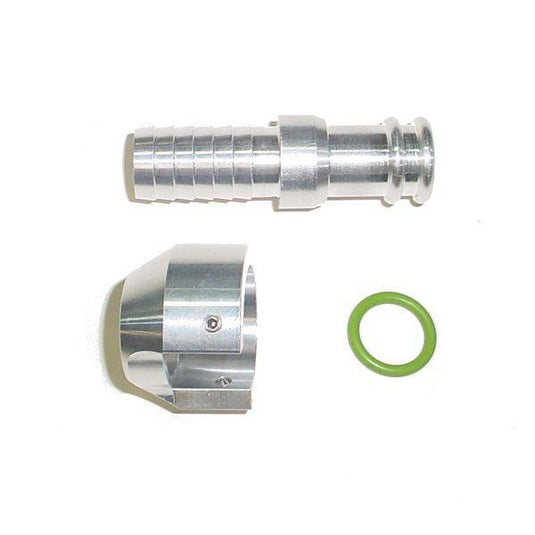
The Glacier Diesel Power Billet Standpipe Heater Hose Adapter is engineered to eliminate this common failure point. Precision-machined from billet aluminum, this adapter provides a secure, rigid connection between the standpipe and heater hose while reducing movement that contributes to premature leaks. The billet retention collar with set screws securely locks the adapter in place, creating a durable, serviceable solution for stock and modified trucks alike.
Whether you're replacing a leaking factory connection, repairing a failed EGR delete coolant tube, or upgrading your cooling system for long-term reliability, this adapter is designed to provide years of dependable service.
Features
- Precision-machined billet aluminum construction
- Proudly made in the USA
- Fits 2013-2018 Ram 2500 & 3500 6.7L Cummins
- Permanent replacement for leaking standpipe heater hose adapters
- Billet retention collar with locking set screws
- Corrosion-resistant finish
- Precision-machined sealing surfaces
- Direct replacement for factory-style standpipe connection
- Compatible with stock cooling systems and many aftermarket EGR delete kits
Why Do Standpipe Adapters Leak?
The standpipe heater hose connection is constantly exposed to:
- Engine vibration
- Coolant pressure
- Expansion and contraction from heat cycles
- Side loading from attached coolant hoses
Over time, this movement can wear the sealing surfaces or allow the adapter to loosen inside the standpipe. Many aftermarket EGR delete kits use simple adapters that rely on brackets or friction alone, which can eventually work loose under vibration. Glacier's billet retention system is designed to hold the adapter securely in position while maintaining consistent sealing pressure.
Cooling System Tech Tip
Not every coolant leak is caused by a bad hose.
If coolant appears around the rear of the engine near the standpipe, inspect the adapter itself before replacing hoses or clamps. Many leaks actually originate where the adapter enters the standpipe rather than at the hose connection.
If your truck has had an EGR delete performed, this area deserves even closer inspection. Many owners experience failures with generic delete kit adapters after years of vibration and towing. Upgrading to a billet standpipe adapter can eliminate one of the most common recurring coolant leaks on the 6.7L Cummins.
Common Uses
- Repair leaking standpipe heater hose connections
- Replace failed EGR delete coolant adapters
- Prevent recurring coolant leaks
- Cooling system upgrades
- Preventative maintenance
- Heavy towing applications
- Fleet maintenance
- Performance diesel builds
Applications
- 2013 Ram 2500 6.7L Cummins
- 2013 Ram 3500 6.7L Cummins
- 2014 Ram 2500 6.7L Cummins
- 2014 Ram 3500 6.7L Cummins
- 2015 Ram 2500 6.7L Cummins
- 2015 Ram 3500 6.7L Cummins
- 2016 Ram 2500 6.7L Cummins
- 2016 Ram 3500 6.7L Cummins
- 2017 Ram 2500 6.7L Cummins
- 2017 Ram 3500 6.7L Cummins
- 2018 Ram 2500 6.7L Cummins
- 2018 Ram 3500 6.7L Cummins
Important Notes
- Fits 2013-2018 Ram 2500 and 3500 6.7L Cummins applications.
- Designed to repair leaking standpipe heater hose connections.
- Precision-machined billet aluminum construction for long-term durability.
- Compatible with many stock and aftermarket cooling system configurations, including numerous EGR delete setups.
- Always inspect hoses, O-rings, and coolant condition during installation.
- After installation, pressure test the cooling system to verify a leak-free repair.
Cooling System Failure Point
One of the biggest weaknesses of the factory and many aftermarket standpipe heater hose adapters is movement. Every time the engine heats up, cools down, or twists under load, that connection is subjected to stress. Over thousands of miles, even a small amount of movement can wear sealing surfaces and create coolant leaks.
The Glacier Diesel Power Billet Standpipe Heater Hose Adapter addresses this issue by using a precision-machined billet design with a positive retention system that minimizes unwanted movement while maintaining a secure seal. Instead of simply replacing the failed component with another factory-style part, you're upgrading one of the cooling system's most common failure points.
Glacier Diesel Power 2013-2018 Dodge Ram 6.7L Cummins Billet Standpipe Heater Hose Adapter | Permanent Coolant Leak Solution
Description
A leaking standpipe heater hose connection is one of the most common coolant issues on the 2013-2018 Ram 6.7L Cummins. Whether caused by normal wear or after an EGR delete installation, the factory-style adapter can loosen over time from constant engine vibration and repeated heat cycles, leading to coolant loss when you least expect it.
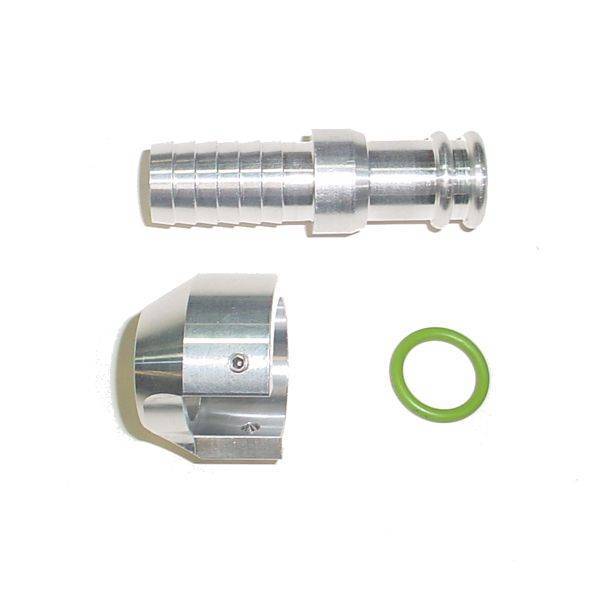
The Glacier Diesel Power Billet Standpipe Heater Hose Adapter is engineered to eliminate this common failure point. Precision-machined from billet aluminum, this adapter provides a secure, rigid connection between the standpipe and heater hose while reducing movement that contributes to premature leaks. The billet retention collar with set screws securely locks the adapter in place, creating a durable, serviceable solution for stock and modified trucks alike.
Whether you're replacing a leaking factory connection, repairing a failed EGR delete coolant tube, or upgrading your cooling system for long-term reliability, this adapter is designed to provide years of dependable service.
Features
- Precision-machined billet aluminum construction
- Proudly made in the USA
- Fits 2013-2018 Ram 2500 & 3500 6.7L Cummins
- Permanent replacement for leaking standpipe heater hose adapters
- Billet retention collar with locking set screws
- Corrosion-resistant finish
- Precision-machined sealing surfaces
- Direct replacement for factory-style standpipe connection
- Compatible with stock cooling systems and many aftermarket EGR delete kits
Why Do Standpipe Adapters Leak?
The standpipe heater hose connection is constantly exposed to:
- Engine vibration
- Coolant pressure
- Expansion and contraction from heat cycles
- Side loading from attached coolant hoses
Over time, this movement can wear the sealing surfaces or allow the adapter to loosen inside the standpipe. Many aftermarket EGR delete kits use simple adapters that rely on brackets or friction alone, which can eventually work loose under vibration. Glacier's billet retention system is designed to hold the adapter securely in position while maintaining consistent sealing pressure.
Cooling System Tech Tip
Not every coolant leak is caused by a bad hose.
If coolant appears around the rear of the engine near the standpipe, inspect the adapter itself before replacing hoses or clamps. Many leaks actually originate where the adapter enters the standpipe rather than at the hose connection.
If your truck has had an EGR delete performed, this area deserves even closer inspection. Many owners experience failures with generic delete kit adapters after years of vibration and towing. Upgrading to a billet standpipe adapter can eliminate one of the most common recurring coolant leaks on the 6.7L Cummins.
Common Uses
- Repair leaking standpipe heater hose connections
- Replace failed EGR delete coolant adapters
- Prevent recurring coolant leaks
- Cooling system upgrades
- Preventative maintenance
- Heavy towing applications
- Fleet maintenance
- Performance diesel builds
Applications
- 2013 Ram 2500 6.7L Cummins
- 2013 Ram 3500 6.7L Cummins
- 2014 Ram 2500 6.7L Cummins
- 2014 Ram 3500 6.7L Cummins
- 2015 Ram 2500 6.7L Cummins
- 2015 Ram 3500 6.7L Cummins
- 2016 Ram 2500 6.7L Cummins
- 2016 Ram 3500 6.7L Cummins
- 2017 Ram 2500 6.7L Cummins
- 2017 Ram 3500 6.7L Cummins
- 2018 Ram 2500 6.7L Cummins
- 2018 Ram 3500 6.7L Cummins
Important Notes
- Fits 2013-2018 Ram 2500 and 3500 6.7L Cummins applications.
- Designed to repair leaking standpipe heater hose connections.
- Precision-machined billet aluminum construction for long-term durability.
- Compatible with many stock and aftermarket cooling system configurations, including numerous EGR delete setups.
- Always inspect hoses, O-rings, and coolant condition during installation.
- After installation, pressure test the cooling system to verify a leak-free repair.
Cooling System Failure Point
One of the biggest weaknesses of the factory and many aftermarket standpipe heater hose adapters is movement. Every time the engine heats up, cools down, or twists under load, that connection is subjected to stress. Over thousands of miles, even a small amount of movement can wear sealing surfaces and create coolant leaks.
The Glacier Diesel Power Billet Standpipe Heater Hose Adapter addresses this issue by using a precision-machined billet design with a positive retention system that minimizes unwanted movement while maintaining a secure seal. Instead of simply replacing the failed component with another factory-style part, you're upgrading one of the cooling system's most common failure points.